Winter Basement Waterproofing: Protect Your Home from Snow Melt
7081907266 • January 27, 2026
Without a doubt, Snow is beautiful. But it's not all fun; when it starts to melt, you have a genuine mess on your hands. That water has to go somewhere, too frequently into basements. A fast warm-up can cause meltwater to run off your roof and gather around your foundation. It gets in through cracks, window wells, and even concrete that looks sturdy but isn't. Water damage, mold, and repairs that can cost you a lot of money are all things that can happen when moisture gets inside. For this reason, wintertime basement waterproofing is the only thing that protects your house from moisture and damage, and it is not only something wonderful to have.
Sahara Dry Basements knows
the particular problems homeowners face in winter and how proactive waterproofing helps to keep your house protected all year.
Why Snow Melt Is a Serious Basement Threat
Many people associate basement water issues with heavy rainstorms; however, wintry weather conditions can be just as destructive. Snow accumulation around your basis acts like a sluggish water source. Whilst melting begins, water saturates the soil and increases hydrostatic pressure towards the basement walls. This strain pushes moisture through even the smallest cracks or weak points in your foundation.
Additionally, frozen ground prevents proper drainage. Instead of being absorbed deep into the soil, melting Snow flows immediately toward your basis. If your basement lacks adequate waterproofing, water intrusion will become almost inevitable.
Commonplace Winter Basement Issues
During wintry weather, basements are especially at risk of:
- Water seepage from melting Snow
- Condensation on bloodless basement partitions
- Musty odors and mold growth
- Cracks are expanding because of freeze-thaw cycles
- foundation strain from transferring soil
These issues don't just affect comfort - they can compromise your home's structural integrity over time.
How Basement Waterproofing
facilitates in winter, professional basement waterproofing addresses both external and internal water threats. Even in winter, modern waterproofing techniques can be installed or enhanced to protect your home from snow damage.
Indoors Waterproofing Answers
Interior systems are particularly effective in winter months because they don't require extensive outdoor excavation. Those encompass interior drainage channels, sump pumps, and vapor obstacles that manipulate water once it enters and redirect it correctly far away from your basement systems of WV.
Outside Waterproofing Safety
Outside waterproofing specializes in preventing water from reaching your foundation. This will include foundation coatings, advanced grading, and drainage solutions. Even as some outside work may be weather-dependent, inspections and planning can still take place throughout wintry weather to prepare for spring installations.
Many choose reliable companies like Basement Systems Martinsburg, WV, known for their successful techniques for handling the particular soil and climate difficulties of the region, for homeowners seeking dependable solutions.
Stopping Condensation and Moisture Buildup
Warm air from inside often meets the cold surfaces of the foundation walls in basements in the winter, causing condensation. Using waterproofing methods with insulation and adequate ventilation can greatly reduce the possibility of condensation forming.
In WV, especially in older homes with foundations composed of porous concrete or stone, sealing foundation walls and adding vapor barriers are both great ways to preserve basements.
Foundation Protection Matters in Cold Weather
Not only does all that water coming into your house in the wintertime cause corrosion of the foundation, intricate and thus a ruined basement floor, but it also contributes to the weakening of your foundation. If the moisture issue is not addressed, it can lead to the development of fungus and mold in the cellar. Still, you can fully depend on waterproofing techniques like giving adequate insulation and ventilation to greatly lower the condensation issues.
Foundation restoration and waterproofing of paintings collectively. A dry basement provides a more stable foundation, even as a stable foundation reduces water access factors.
Benefits of Winter Basement Waterproofing
Selecting to waterproof your basement throughout winter offers numerous benefits:
- Prevents water harm from snow melt
- Reduces mildew and mold threat
- Protects the basis of integrity
- Improves indoor air nice
- increases home value and resale attraction
Contrary to popular perception, Winter is not a "downtime" for basement care. Many interior waterproofing systems can be installed year-round, allowing owners to address problems before spring rains arrive.
Signs Your Basement Needs Waterproofing This Winter
You could want professional waterproofing if you observe:
- Damp basement partitions or flooring
- White, chalky residue (efflorescence)
- Peeling paint or warped paneling
- Musty smells after the Snow melts
- visible basis cracks
Ignoring those signs and symptoms can result in significant damage
once temperatures rise and precipitation increases.
Why Expert Evaluation is Crucial
Every domestic is special, particularly in areas with variable winter weather. Expert inspections identify the precise moisture levels and recommend tailored solutions. Skilled waterproofing professionals recognize that soil composition, foundation type, and drainage systems affect overall winter performance.
Operating with experts guarantees that the systems installed are appropriate for each season, Snow melt, and year-round moisture management.
Protect Your Home Before Spring Arrives
Winter is the best time to put together your basement for the challenges of spring. Snowmelt is often the first warning sign of a more serious waterproofing issue. By performing early, owners can avoid emergency maintenance and enjoy peace of mind knowing their basement is covered.
With proven strategies, reliable systems, and professional guidance, Sahara Dry Basements helps owners keep basements dry and healthy even in the harshest winter weather.
Frequently Asked Questions
Can basement waterproofing be done in the winter?
Yes, many interior basement waterproofing systems can be installed year-round, even during winter.
How to keep melting snow out of the basement?
Proper grading, cleared downspouts, sealed foundation cracks, and waterproofing systems help redirect snow melt away from the basement.
Does waterproofing a basement prevent flooding?
Basement waterproofing significantly reduces the risk of flooding by managing and redirecting water before it causes damage.
How to prevent condensation on basement walls in winter?
Insulation, vapor barriers, dehumidifiers, and proper ventilation help control condensation on cold basement walls.
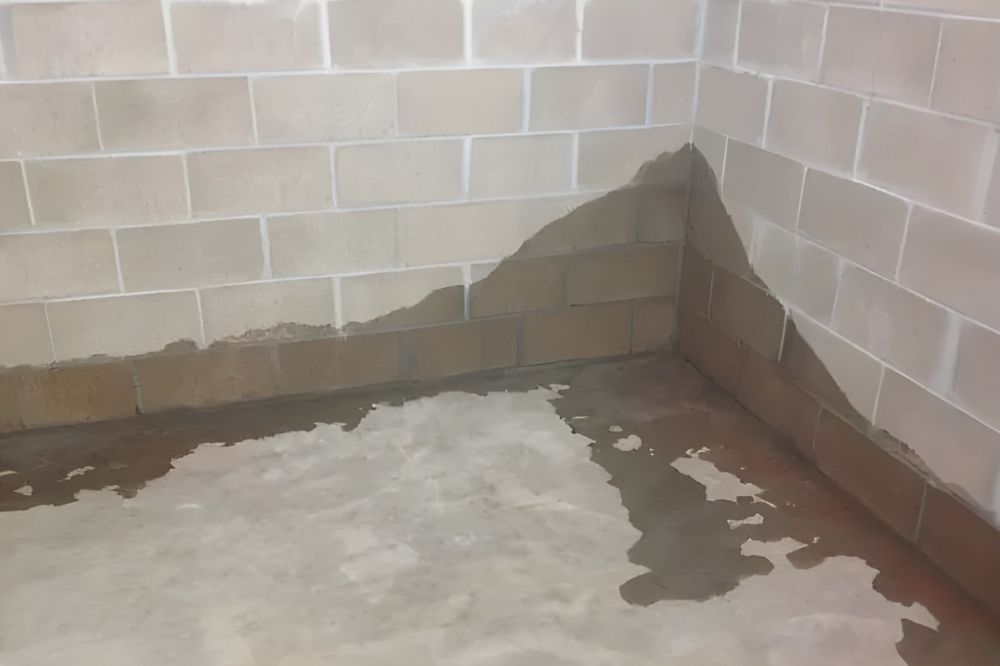
Don't let basement leaks worsen. Learn how to identify and fix foundation water intrusion with Sahara Dry Basements, your expert for basement systems in Martinsburg, WV.
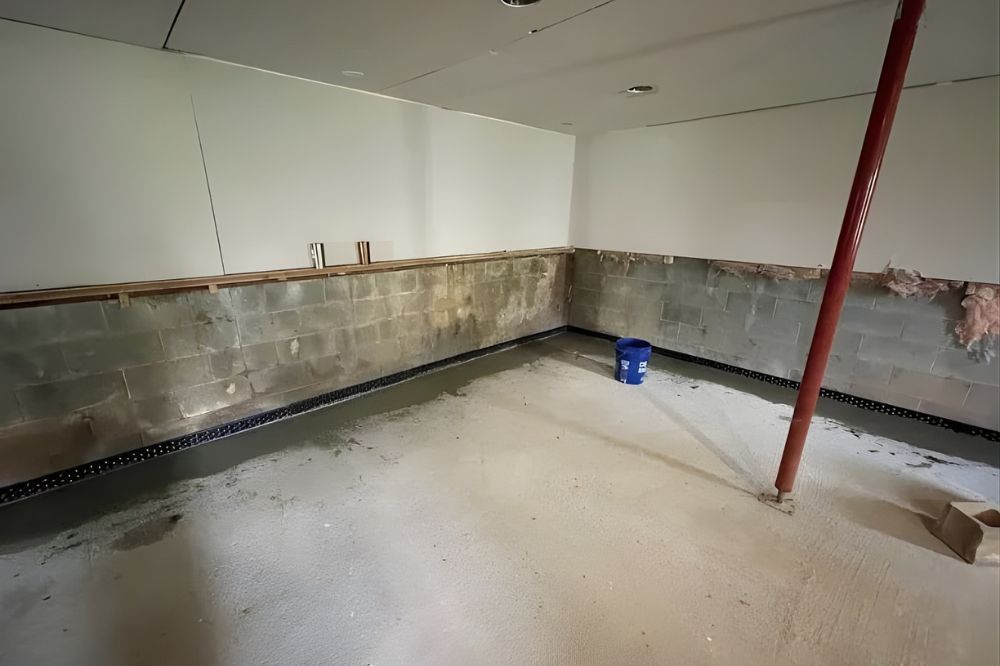
Learn why basement waterproofing is one of the best investments you can make for your home. Discover how trusted basement systems of WV protect your property for the long term.

Thinking of DIY basement waterproofing? Learn the most common mistakes homeowners make and why trusting Sahara Dry Basements in Martinsburg, WV ensures long-lasting protection.
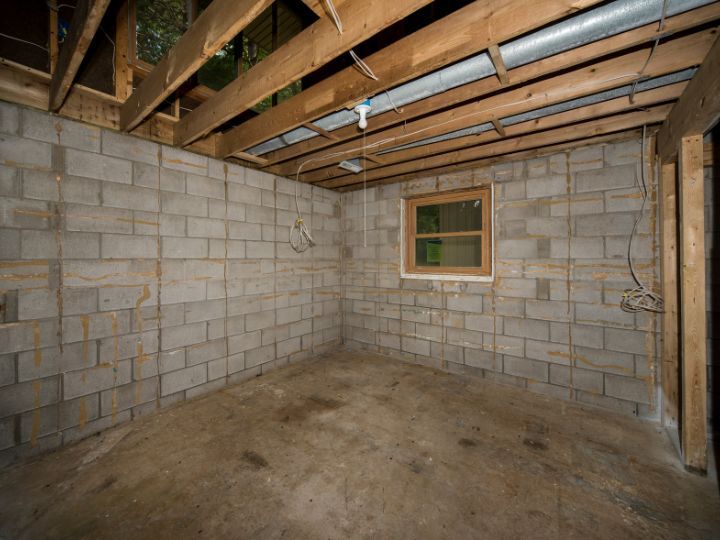
Discover effective tips to prevent mold in your basement. Learn how Sahara Dry Basements can protect your home with basement waterproofing and proper basement systems in Martinsburg, WV.
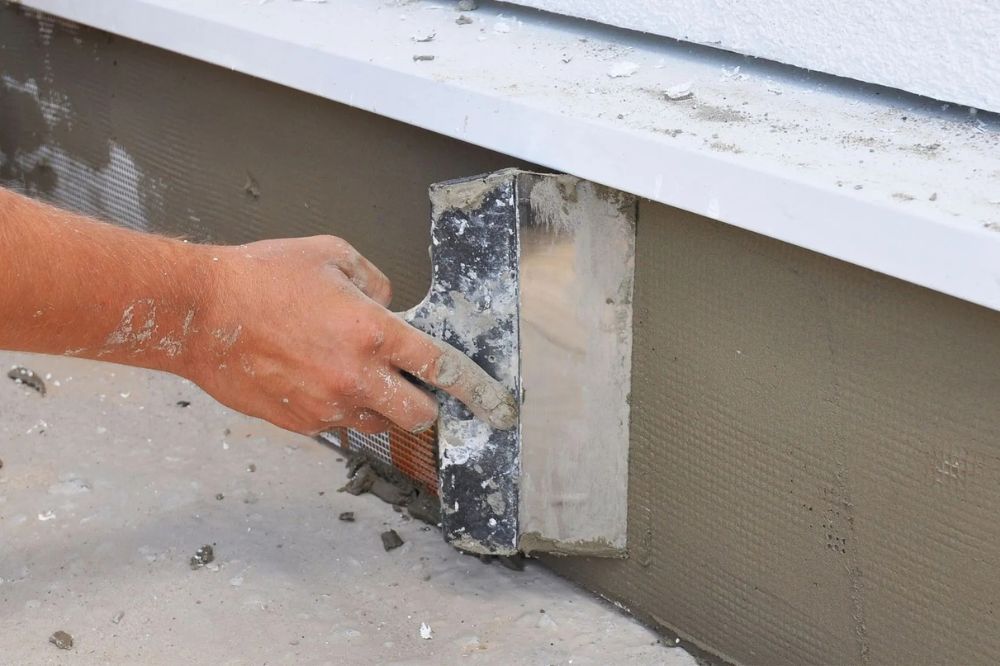
Worried about foundation repair costs? Learn what affects pricing, common repair methods, and why timely action matters. Sahara Dry Basements offers expert foundation repairs.
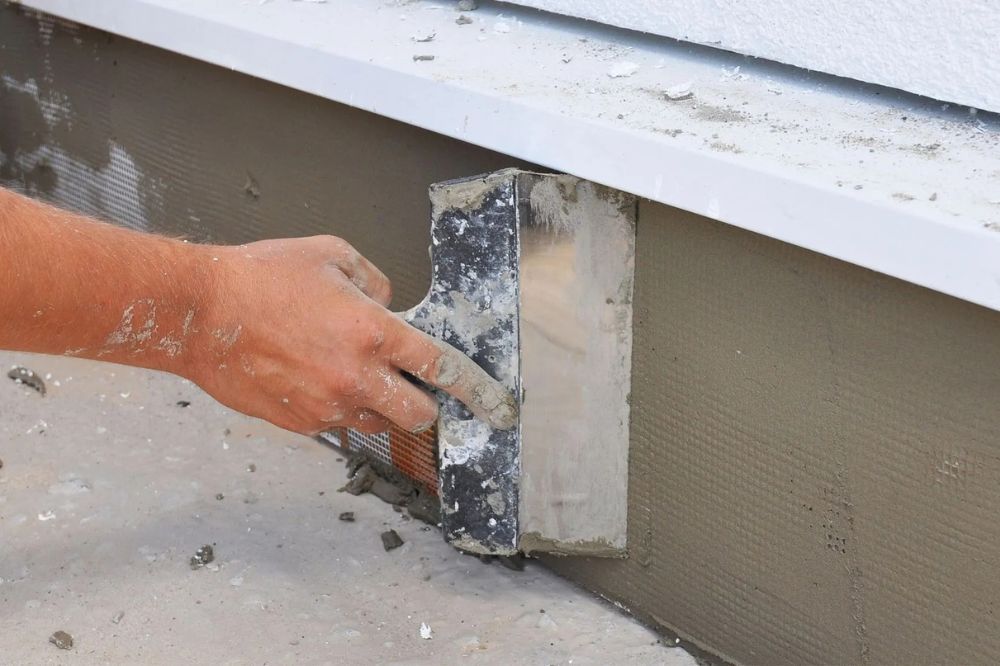
A wet base is a home nightmare. When significant rain, pipe mess, or base cracks cause a flood, it's costly. It leads to mold & harms the house's bones. It sucks to see your base all wet & full of water. But if you know what to do next, it helps a lot. Many people don't want to deal with base woes, but more have them than you think. Be it small cracks or considerable bone harm, don't overlook the underlying issues. It's not just about the risk to your home's structure; it could cost more later if you don't fix it now. At Sahara Dry Basements, we know cost scares folks. How much do base fixes hit your cash? What changes the price? And how do you know if the cost is fair? In this blog, we'll spill all on base foundation repairs costs and why paying now can keep your cash & head safe later. What Makes Base Problems? Before cash talk, know why bases break. Main causes: Soil moves (grows or shrinks due to wetness) Foul drain near the home Tree roots suck dry the soil below the base Bad soil shape or slope Heavy rain or floods Poor build or weak stuff Once your base breaks, it could hurt your whole home. From cracked walls & uneven floors to tough doors & windows. Signs You Might Need Base Fixes Need base fixes? Watch out for: Cracks in base walls, over 1/4 inch wide Sloped or uneven floors Gaps by walls & top, or floor Doors or windows that stick or won't shut right Water or wet in the base Bulging base walls See these? Time to call Sahara Dry Basements for a pro look. How Much Do Base Fixes Cost? Base fix costs can vary significantly by damage type and the required fix. U.S. homeowners may pay from $2,000 to $10,000, big probs can go over $25,000. Here's a rough cost guide for usual base fix types: Fix Type Average Cost Range Minor Cracks & Sealants $500 – $1,500 Base Leveling (Slab/Mudjack) $1,000 – $5,000 Pier Put (Screw or Push Piers) $1,500 – $3,000 per pier Base Underpin $10,000 – $25,000+ Bowed Wall Fixes (Anchors or Braces) $4,000 – $15,000 Note that each home & base woe is unique. That's why Sahara Dry Basements offers free inspections and provides customized pricing based on your specific needs. Things That Can Change the Cost of Fixing a Base A few things can shift how much you pay to fix a base, like: 1. How Bad the Hurt Is Bit cracks cost less to mend, but huge moves or dips need more (and pricier) fixes. 2. Kind of Fix Each bad spot may need a new fix plan. For some, setting piers costs more than small crack fills, but might be vital to keep your house standing. 3. Dirt State Wide or weak dirt can make the job harder & bump up work costs. 4. How Easy to Reach If it's hard to get to your base due to yards, drives, or a house build, it might up the cost for work & tools. 5. Water Hurt If water gets into your low room or small space, you might require additional dry work or drain jobs, which increases the total repair cost. Is Fixing the Base Worth the Cash? For sure. Base fixes might seem costly at first, but the long-term savings and peace of mind pay off well. Failing to address the base issues will only lead to more significant (and expensive) fixes. Left alone, it can: Drop your house's selling worth Make other parts (pipes, HVAC) go bad Grow mold or mildew from damp breaks Risk the strong build of your house See it as keeping the key block your house rests on—because that's what it is. Cash Plans for House Folk At Sahara Dry Basements, we know base fixes hit as a big unplanned bill. We offer easy pay plans to help make repairs more affordable. Big fix or small mend, we are here to keep your house safe. Why Go With Sahara Dry Basements? Local Know-How: We get the dirt, sky, & usual house woes here. A-Team: Our crew is top-trained in all fix & dry jobs. Clear Costs: We give full bids with no sneaky fees. Solid Ways: We use only great stuff & tried ways for good fixes. Happy Clients: We back our work and aim to exceed our clients' expectations on every job. Final Words If you see base woes, act now. Soon, acts can mean a minor fix, not a massive redo. While fixed foundation repairs costs change, one thing is for sure: wait more & pay more. At Sahara Dry Basements, we believe that every home should be safe, dry, and comfortable. Call us now for a no-cost check & plan made just for you—because peace starts from the base. Need base mends? Call Sahara Dry Basements now or book your no-cost check on the web. We're here to keep safe what counts most—your home.
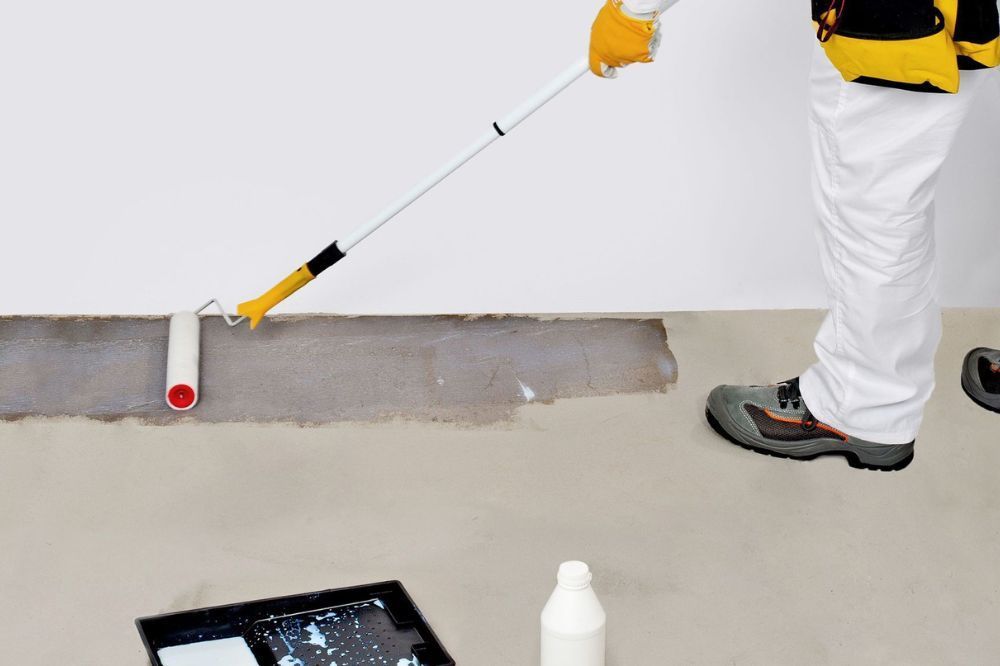
Discover the key signs that your basement needs waterproofing immediately. From water leaks to mold growth, Sahara Dry Basements provides expert solutions to protect your home.
Share On: