How to Identify & Fix Basement Leaks Before They Worsen
7081907266 • January 19, 2026
Your basement, the core of your home, is meant to be a tough, steady area. Nevertheless, it is constantly going against the elements, mainly hydrostatic pressure–the continuous force of water-soaked earth against the foundation walls. If you have discovered that musky aroma, a damp spot, or, what's worse, some water lying there, then your house is unmistakably communicating with you. Ignoring a leaking basement is never an option, even if it is a minor leak, as it will lead to costly damages to the building, the development of mold, and a significant decrease in the value of your property.
People living in such a situation should hire a local expert first who is experienced in basement waterproofing
to get a dry basement and foundation repair that fits.
1. Spotting the Symptoms:
Identifying the Leak
Leaks do not always make a spectacle of themselves by spilling like a waterfall. For most of the time, they silently start. Being aware of the usual signs is a must in terms of picking them up at an early stage.
The Tell-Tale Signs of Water Intrusion
Musty Odor: If you come across a weird, earthy, and very intense smell, the first thing that you would probably think of is mold or mildew. These two microorganisms usually live in dark and damp places in the house.
Efflorescence: Do you see a white, powdery substance that looks like chalk and is on the concrete or brick? It is certainly a sign of water coming through your walls.
Peeling paint or wallpaper: In case the paint is bubbling, peeling, or the wallpaper is falling, moisture must be trapped behind it and is pushing everything off.
Rust and rot: Water is not what metals or wood need. If metal supports are rusting or wood looks like it is going to rot, the reason is that moisture has caused the problem.
2. Diagnosing the Leak Source:
Where’s the Water Really Coming From?
Before you start fixing anything, you need to locate the leak. Most basement leaks that are referred to as accidents are caused by two sources: dirty water or surface water from outside, or cracks in the foundation.
Exterior (Surface Water) Sources
In most cases, the leak source is not the foundation but the drainage system that is just outside your house.
Gutters and Downspouts:
Are your gutters full of debris? What about your downspouts are they bringing the water that they collect and discharging it right beside the foundation? Downspouts should be located at a distance of at least 6 feet from the house where the water they release is flowing away from the vulnerable area.
Improper Grading:
The soil around your foundation must have a proper slope, consider one inch down for every foot out, for the first six feet. If the land slopes toward your house, you are essentially making a water slide that goes straight to your basement.
Window Wells:
Poorly maintained or drained window wells can become filled with water during heavy rains, thus forming a pool right next to the foundation wall that, later, flows into the basement.
3. The Fix: Consistent Basement Waterproofing Solutions
Leak fixing requires a well-thought-out plan, often combining exterior and interior solutions for the most dependable results. One can also seek the help of experts in basement systems of WV, for the best long-term protection.
Exterior Waterproofing
Though it is the most radical, this method is also the most effective because it eliminates water that is on its way to the foundation.
Excavation:
The earth surrounding the outer edge is dug up down to the level of the footing.
Wall treatment:
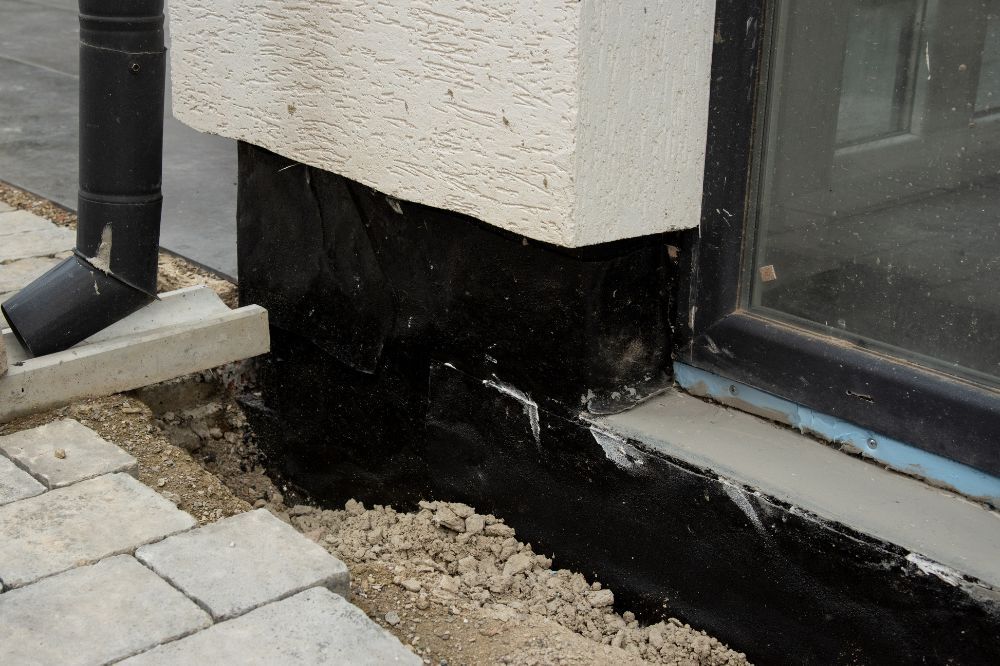
The newly exposed foundation wall is initially cleaned and then it is covered with a long-lasting membrane (for instance, a rubberized coating or corrugated sheet membrane) to make it waterproof.
Weeping tile replacement: A new perforated drain tile (or weeping tile) is laid along the bottom of the wall, after which it is covered with gravel and connected to a sump pump or storm sewer. Thus, hydrostatic pressure is released.
Interior Waterproofing
Interior options are for managing water that has seeped through the walls and must therefore be addressed outside. This is usually the less restrictive and more economical alternative.
Interior Perimeter Drainage System:
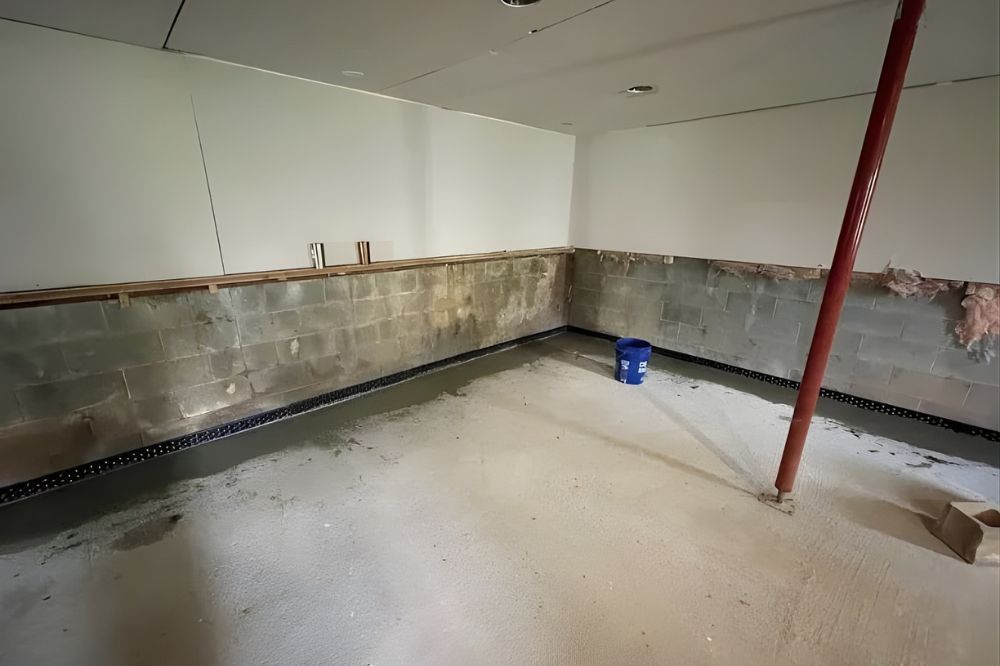
Also called a French drain, this system involves removing a section of the inner perimeter of the basement floor to create a recess for the drain. A special water drainage pipe is installed in the trench to intercept water from the wall/floor joint and the walls.
Sump Pump Installation:
The internal drainage system discharges directly into a sump pump. This pump, by its own will, pumps the water thus collected out and away from the house; hence, a more reliable dry basement foundation repair
is usually the result.
Crack Injection:
One of the methods to fix a concrete wall is to inject a polyurethane or an epoxy resin mainly along the cracks. The resin that is injected expands to form a waterproof and at the same time flexible sealing not only on the surface but also deep into the crack.
Final Words
By selecting a reliable partner like Sahara Dry Basements, a local basement systems Martinsburg WV Professional, you are making sure that your house gets a custom solution which, besides solving the problem, also considers the local area's geology and weather, providing a solid, dry basement foundation repair. Choose not to delay securing your foundation until after the next heavy rain; doing it today is, in fact, securing your home's future.
FAQs
How to figure out where a basement leak is coming from?
Check for poor grading or downspouts discharging right by the foundation, and then check inside for efflorescence, wall cracks, or water at the wall-floor joint (cove joint).
How do plumbers find hidden leaks?
Plumbers may perform a variety of non-invasive methods to locate leak sources.
Can a leaky basement be fixed from the inside?
Indeed, most basement leaks, especially those related to cracked walls and the cove joint, can be repaired efficiently and cost-effectively.
Does homeowners insurance cover water leaks in the base?
In most cases, homeowners' insurance covers sudden, accidental water damage (e.g., a pipe burst).
Learn how winter basement waterproofing protects your home from snow melt, moisture, and flooding with proven solutions and expert tips.
Learn why basement waterproofing is one of the best investments you can make for your home. Discover how trusted basement systems of WV protect your property for the long term.

Thinking of DIY basement waterproofing? Learn the most common mistakes homeowners make and why trusting Sahara Dry Basements in Martinsburg, WV ensures long-lasting protection.
Discover effective tips to prevent mold in your basement. Learn how Sahara Dry Basements can protect your home with basement waterproofing and proper basement systems in Martinsburg, WV.
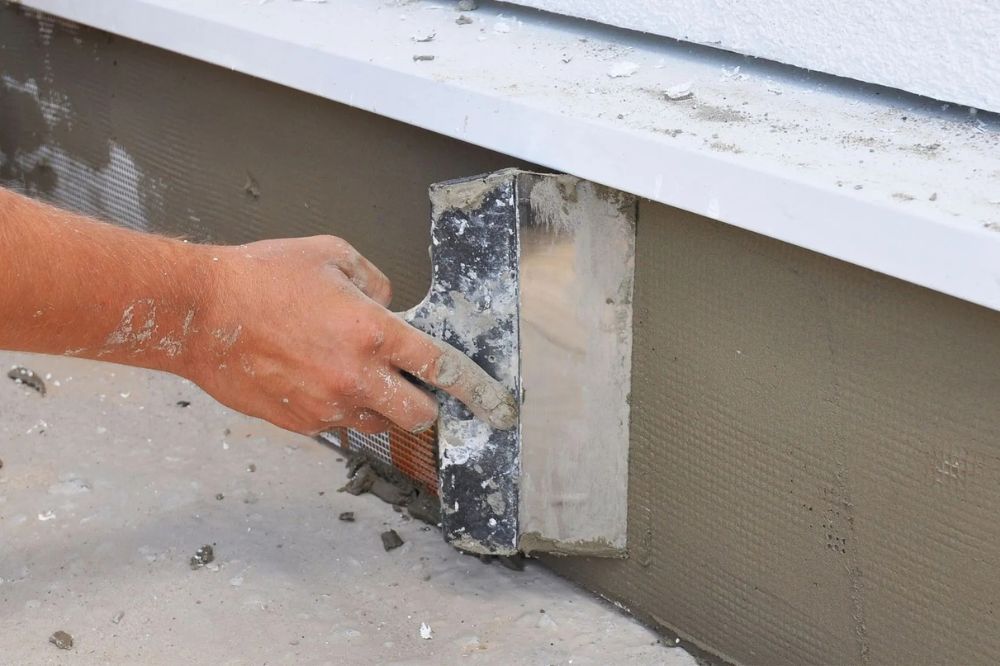
Worried about foundation repair costs? Learn what affects pricing, common repair methods, and why timely action matters. Sahara Dry Basements offers expert foundation repairs.
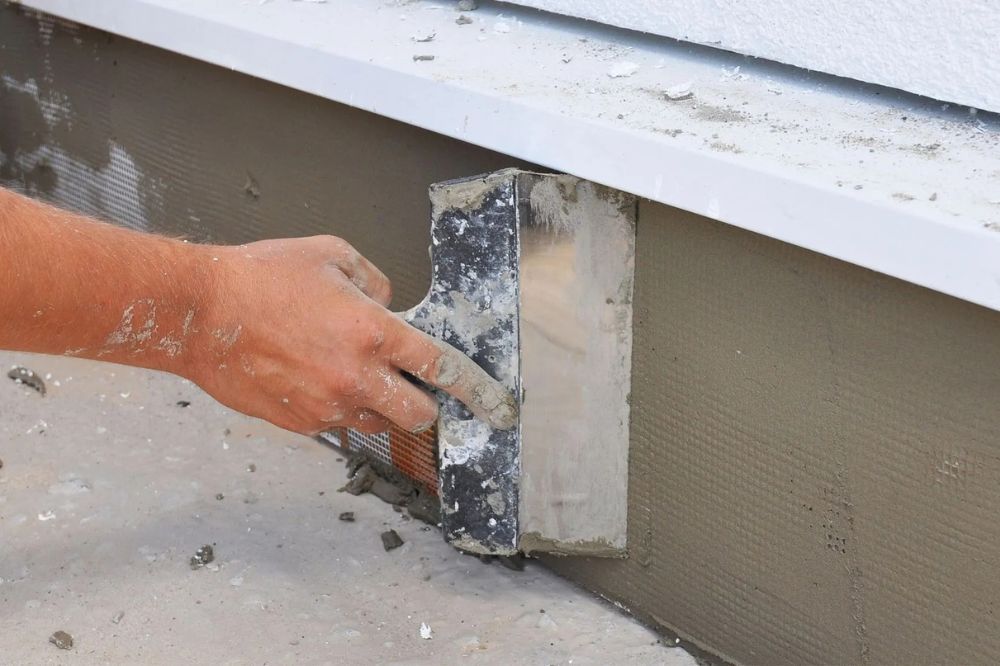
A wet base is a home nightmare. When significant rain, pipe mess, or base cracks cause a flood, it's costly. It leads to mold & harms the house's bones. It sucks to see your base all wet & full of water. But if you know what to do next, it helps a lot. Many people don't want to deal with base woes, but more have them than you think. Be it small cracks or considerable bone harm, don't overlook the underlying issues. It's not just about the risk to your home's structure; it could cost more later if you don't fix it now. At Sahara Dry Basements, we know cost scares folks. How much do base fixes hit your cash? What changes the price? And how do you know if the cost is fair? In this blog, we'll spill all on base foundation repairs costs and why paying now can keep your cash & head safe later. What Makes Base Problems? Before cash talk, know why bases break. Main causes: Soil moves (grows or shrinks due to wetness) Foul drain near the home Tree roots suck dry the soil below the base Bad soil shape or slope Heavy rain or floods Poor build or weak stuff Once your base breaks, it could hurt your whole home. From cracked walls & uneven floors to tough doors & windows. Signs You Might Need Base Fixes Need base fixes? Watch out for: Cracks in base walls, over 1/4 inch wide Sloped or uneven floors Gaps by walls & top, or floor Doors or windows that stick or won't shut right Water or wet in the base Bulging base walls See these? Time to call Sahara Dry Basements for a pro look. How Much Do Base Fixes Cost? Base fix costs can vary significantly by damage type and the required fix. U.S. homeowners may pay from $2,000 to $10,000, big probs can go over $25,000. Here's a rough cost guide for usual base fix types: Fix Type Average Cost Range Minor Cracks & Sealants $500 – $1,500 Base Leveling (Slab/Mudjack) $1,000 – $5,000 Pier Put (Screw or Push Piers) $1,500 – $3,000 per pier Base Underpin $10,000 – $25,000+ Bowed Wall Fixes (Anchors or Braces) $4,000 – $15,000 Note that each home & base woe is unique. That's why Sahara Dry Basements offers free inspections and provides customized pricing based on your specific needs. Things That Can Change the Cost of Fixing a Base A few things can shift how much you pay to fix a base, like: 1. How Bad the Hurt Is Bit cracks cost less to mend, but huge moves or dips need more (and pricier) fixes. 2. Kind of Fix Each bad spot may need a new fix plan. For some, setting piers costs more than small crack fills, but might be vital to keep your house standing. 3. Dirt State Wide or weak dirt can make the job harder & bump up work costs. 4. How Easy to Reach If it's hard to get to your base due to yards, drives, or a house build, it might up the cost for work & tools. 5. Water Hurt If water gets into your low room or small space, you might require additional dry work or drain jobs, which increases the total repair cost. Is Fixing the Base Worth the Cash? For sure. Base fixes might seem costly at first, but the long-term savings and peace of mind pay off well. Failing to address the base issues will only lead to more significant (and expensive) fixes. Left alone, it can: Drop your house's selling worth Make other parts (pipes, HVAC) go bad Grow mold or mildew from damp breaks Risk the strong build of your house See it as keeping the key block your house rests on—because that's what it is. Cash Plans for House Folk At Sahara Dry Basements, we know base fixes hit as a big unplanned bill. We offer easy pay plans to help make repairs more affordable. Big fix or small mend, we are here to keep your house safe. Why Go With Sahara Dry Basements? Local Know-How: We get the dirt, sky, & usual house woes here. A-Team: Our crew is top-trained in all fix & dry jobs. Clear Costs: We give full bids with no sneaky fees. Solid Ways: We use only great stuff & tried ways for good fixes. Happy Clients: We back our work and aim to exceed our clients' expectations on every job. Final Words If you see base woes, act now. Soon, acts can mean a minor fix, not a massive redo. While fixed foundation repairs costs change, one thing is for sure: wait more & pay more. At Sahara Dry Basements, we believe that every home should be safe, dry, and comfortable. Call us now for a no-cost check & plan made just for you—because peace starts from the base. Need base mends? Call Sahara Dry Basements now or book your no-cost check on the web. We're here to keep safe what counts most—your home.
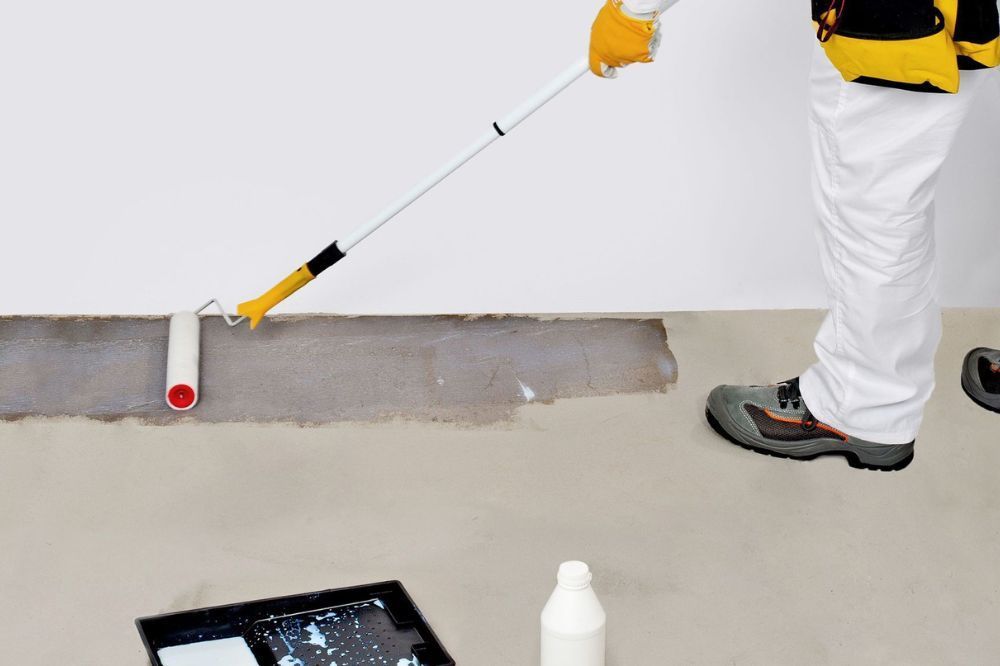
Discover the key signs that your basement needs waterproofing immediately. From water leaks to mold growth, Sahara Dry Basements provides expert solutions to protect your home.
Share On: